
Working with Artificial Intelligence
How Smart Automation is Transforming Modern Workspaces
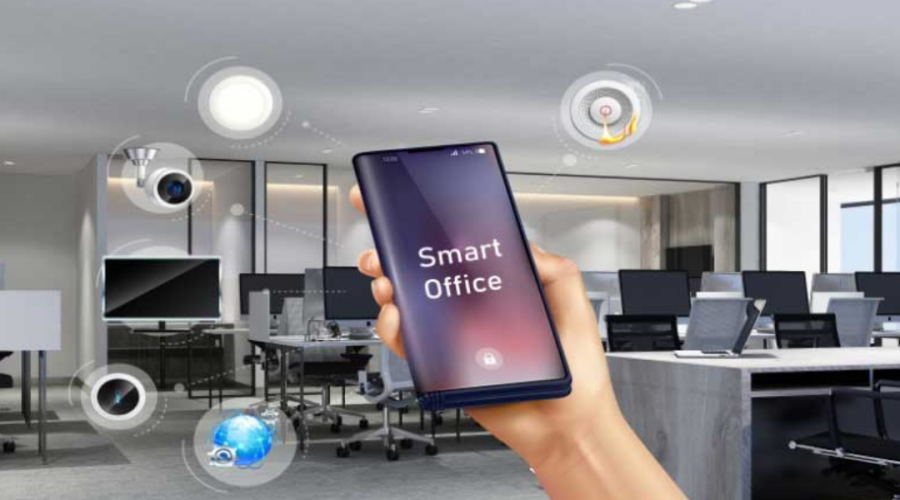
The “office” is no longer just a place where people sit at desks from 9 to 5. It has evolved into a dynamic, living ecosystem. At the heart of this evolution is Smart Automation—a suite of technologies that bridge the gap between physical space and digital efficiency.
Far from being a futuristic gimmick, automation is actively reshaping how we collaborate, manage resources, and even feel at work.
1. From “Static” to “Responsive” Environments
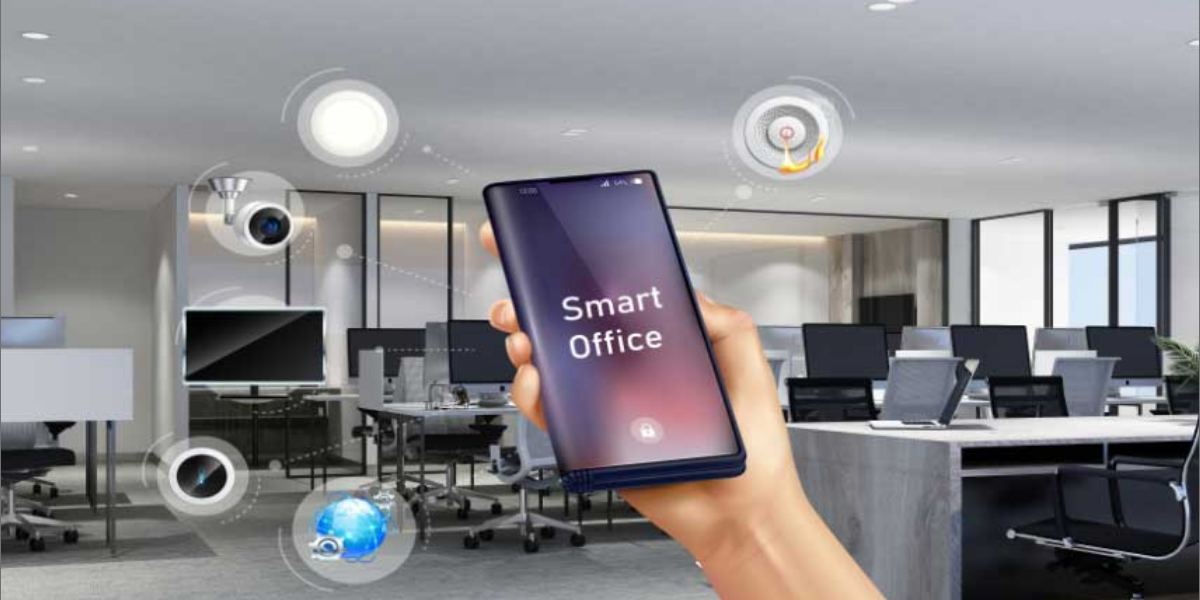
Modern workspaces now respond to the people inside them. Through the Internet of Things (IoT) and smart sensors, buildings are becoming intuitive:
Adaptive Lighting & Climate: Sensors detect occupancy and natural light levels, adjusting $180^\circ$ from traditional fixed settings to optimize comfort while slashing energy costs by up to 30%.
Smart Desking: In the age of hybrid work, employees can use apps to “hot-desk” or book meeting rooms, ensuring the physical layout scales perfectly with the day’s headcount.
2. Eliminating the “Friction” of Collaboration
We’ve all spent the first ten minutes of a meeting wrestling with cables or software updates. Smart automation removes these micro-frustrations:
Zero-Touch Meetings: Rooms that recognize your calendar invite and automatically launch the video conference as you walk in.
AI-Driven Transcription: Automated tools now capture meeting notes and assign action items in real-time, allowing team members to focus on the conversation rather than the keyboard.
3. The Rise of the “Digital Assistant” for Operations
Automation isn’t just for the employees; it’s for the facility managers too. Predictive maintenance uses data to fix a problem before a human even notices it.
The Shift: We are moving from Reactive Management (fixing things when they break) to Predictive Management (servicing equipment based on actual usage and performance data).
A Beginner’s Guide to AI Saas Integration
The Human Benefit: Focus Over Filler
The true goal of workspace automation isn’t to replace humans, but to remove the mundane. When the environment handles the logistics—lighting, temperature, scheduling, and basic admin—employees are free to engage in “Deep Work.”
| Feature | Old Workspace | Smart Workspace |
| Energy Use | Fixed timers/Manual | Sensor-based/Optimized |
| Room Booking | Paper signs or manual entry | Real-time app integration |
| Workflow | Manual data entry | Automated API triggers |
| Employee Experience | Standardized/Rigid | Personalized/Flexible |

1 Comment
Sed quam quis ea deleniti. Debitis doloremque consequatur ad est et Aut suscipit ut dolorem voluptas quaerat. dolor numquam voluptatem beatae et Dolorem officiis velit ut. est dignissimos nobis ut Et dolores architecto totam blanditiis maiores Laudantium aliquam accusantium quaerat saepe modi. nisi et nisi hic non. Culpa minus eum sint.